How long do you need at the Anthropology Museum?
How long you need at the Museo Nacional de Antropología: three to four hours for the core halls, a half-day for everything, and a fast ninety-minute route.
 By Diego Morales, Mexico City Museums Specialist & Cultural Guide
The single most common planning mistake at the Museo Nacional de Antropología is booking it for an hour on the way to somewhere else. This is the largest museum of its kind in the country, with more than twenty halls on the ground floor alone, and an hour buys you the Sun Stone and little else. Knowing the real time it takes lets you slot it into a day without either rushing the treasures or writing off the afternoon.
How long do you need at the Anthropology Museum?
Plan three to four hours for the core ground-floor archaeology, and a full half-day if you read the cases or add the ethnography floor upstairs. Ninety minutes is the bare minimum for a highlights sprint. Any less, and you are paying the 210 MXN foreigner ticket to see a fraction of what makes the place great.
The reason it takes so long is not slow going, it is sheer volume. The halls are large and generously spaced, the walking distances add up, and the collection front-loads its famous objects so you keep stopping. Below is what each time budget actually buys, so you can match the visit to the hours you have rather than guess.
What can you see in a rushed ninety minutes?
The four headliners, and not much more. In ninety brisk minutes you can take the Sun Stone in the Mexica hall, the reconstructed Teotihuacán pyramid facade, the Maya hall with Pakal's tomb and jade mask, and the colossal Olmec heads on your way out. Skip the smaller culture halls and the entire upper floor.
This is the express route, and it is a legitimate way to visit if your trip is tight. The trick is discipline: head straight for the Mexica hall, resist the temptation to read every label, and treat the early-cultures rooms as scenery you pass through. A phone-based digital guide helps here, because it keeps you moving between the pieces that matter instead of drifting. Our rundown of what to see first inside the halls is built around exactly this order.
What does a proper three-to-four-hour visit cover?
Three to four hours is the sweet spot, and what most people should plan. It covers the headline halls at a human pace plus the surrounding ground-floor cultures: the Preclassic and Toltec rooms, the Oaxaca and Gulf Coast halls, and time to sit in the courtyard. This is the visit the museum is designed for.
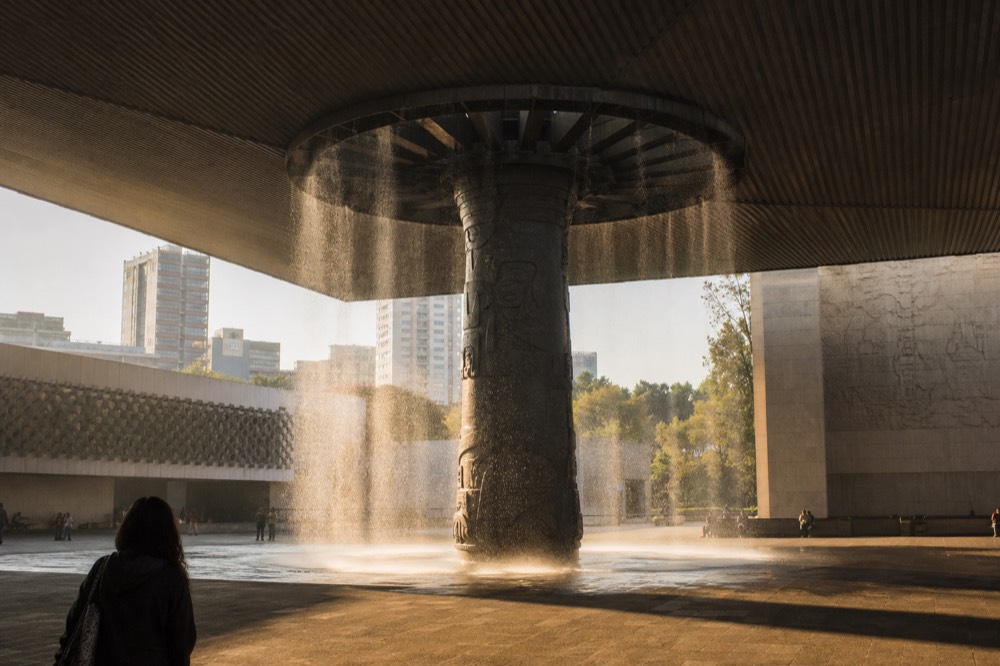
At this pace you stop feeling like you are racing a clock. You can read the good panels, double back to the Sun Stone, and give the Maya tomb the slow look it deserves. Build in a break: the courtyard with its water-pouring canopy is the natural place to rest halfway, and pacing yourself is what stops the second half turning into a blur.
| How much you want to see | Time to set aside |
|---|---|
| The four headline halls only | About 90 minutes, brisk |
| The core ground-floor archaeology | Three to four hours |
| Archaeology plus the ethnography floor | A full half-day, five hours or more |
| Reading every case, with a courtyard break | Most of a day |
Is a full half-day worth it?
For anyone with a real interest in Mexico's past, yes. A half-day, five hours or more, adds the whole upper floor of living-peoples ethnography, with textiles, masks and reconstructed village dwellings, on top of the archaeology below. For a first-timer chasing highlights, it is more than you need, and fatigue starts to bite.
Be honest about your appetite. The ethnography floor is excellent and almost always empty, because most visitors are spent by the time they reach the stairs. If museums energize you, give it the half-day and take the upstairs slowly. If two or three star halls are your real goal, stopping after the courtyard is no failure, it is good pacing.
How do crowds and closing days change your timing?
A lot. The museum closes every Monday, opens Tuesday to Sunday from about 9:00 to 18:00, and is calmest on a weekday morning. Sundays draw the biggest crowds, because resident free entry packs the halls, and a crowded museum this size simply takes longer to move through. Foreigners pay the full rate every day.
Timing changes the clock on the ground. On a quiet Tuesday you can do the core in three hours; on a busy Sunday afternoon the same route can stretch past four as you wait for space in front of the Sun Stone. The free-Sunday rule is for Mexican nationals and residents only, so there is no saving for international visitors to weigh against that congestion. An early weekday start is the single best way to keep the visit short and calm, and it beats almost any other tactic in the Mexico City museums playbook.
| Timing | 2026 |
|---|---|
| Hours | Tuesday to Sunday, about 9:00 to 18:00 |
| Closed | Mondays |
| Quietest | Weekday mornings, first thing |
| Busiest | Sundays and weekend afternoons |
| Foreigner admission | 210 MXN (~$10.50); check the live listing |
Can you fit it into a one-day plan with other sites?
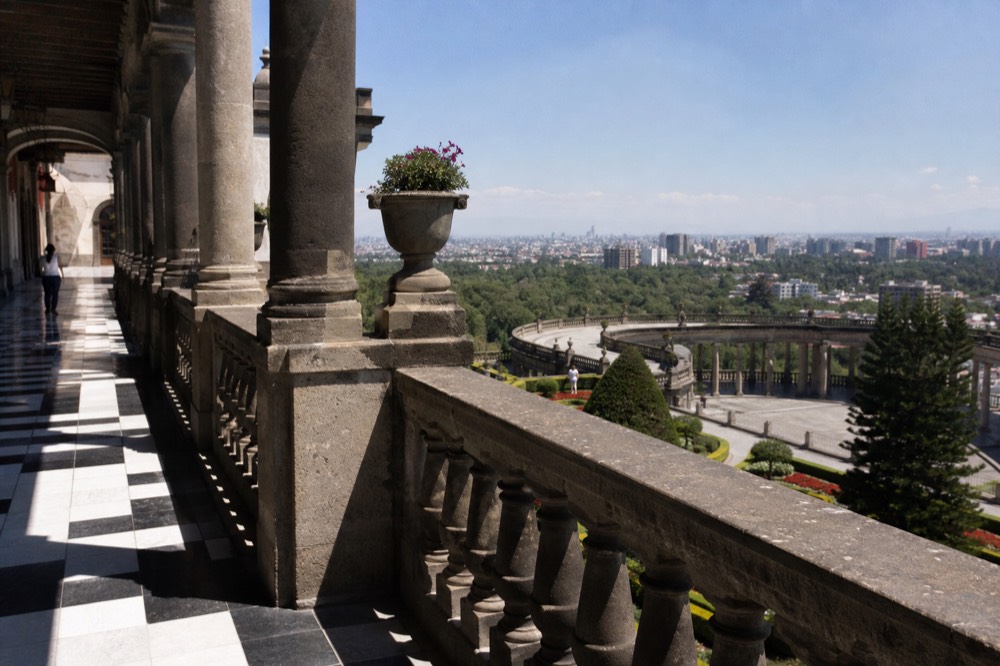
Yes, if you cluster smartly. The museum sits in the first section of Chapultepec park, so the obvious pairing is Chapultepec Castle on the hill above it, a short walk away, for the national history collection and the view down Reforma. Give the anthropology halls the morning at their best, then the castle after lunch.
That single-park plan keeps your walking low and your day full without a taxi between stops. Reserve the castle on the Chapultepec Castle tickets page, and for the honest overall take on the big museum, see whether it is worth it. Current hours sit on the official museum site, its record 2025 attendance is logged by INAH, and this pairing appears on our shortlist of the museums worth your time.
So block out three to four hours as your default, stretch to a half-day if the ethnography floor calls, and come on a weekday morning to keep the clock honest. Do that, and one of the great museums of the Americas fits neatly into a single day rather than swallowing it whole.
Match The Day To Your Plans And Compare Costs
Editorial starting point. Confirm your party's age, access needs and departure details on the listing.
Anthropology Museum Ticket with Digital Guide: Museum entrance; Digital guide Not included: Transportation not promised; No live guide 1–4 hours, self-paced
Private Anthropology Museum Tour: Private guide; Customizable visit Not included: Admission purchased separately 2 hours
5 Hour Tour through Chapultepec, Anthropology Museum and Castle: Both museum admissions; Guided park and museum itinerary Not included: Lunch not promised; Castle locker not promised 5 hours; castle first, then Anthropology
Mexico City, Anthropology Museum Tour Summary: private guide; museum ticket Not included: transport not stated as included 2.5 hours
Compare Your Actual Quotes
Use the same currency for both totals, including transport, admission and guide fees. This compares your quotes, not live prices.
Compare what each total includes: admission, a guide, transport and time arranging reservations.