Is the Anthropology Museum in Mexico City worth it?
An honest verdict on the Museo Nacional de Antropología: what you see, the 2026 price, how long it takes, when to avoid the crowds, and who might skip it.
 By Diego Morales, Mexico City Museums Specialist & Cultural Guide
People who plan to give it an hour end up staying four. That is the pattern with the Museo Nacional de Antropología: a museum so large and so front-loaded with famous objects that visitors keep revising their schedule upward as they go. It is the busiest museum in the country, which raises a fair question before you commit half a day to it. Is the reputation earned, or is it simply the default box everyone ticks?
Is the Anthropology Museum worth it?
Yes, without much hedging. This is one of the great archaeology museums anywhere, holding the Aztec Sun Stone, a full-scale Teotihuacán temple facade, the Maya tomb of King Pakal with its jade mask, and the colossal Olmec heads, all for a 210 MXN foreigner ticket, about $10.50, in 2026. The only real caveat is its size.
The verdict is close to unanimous for a reason. Very few museums put this much first-rank material in one place, and fewer still charge so little to see it. Where people come away flat, the cause is almost always fatigue or a mismatch of expectations, not the collection. Below is what the visit actually gives you, and the honest cases for coming at a different time or skipping it.
What do you actually see inside?
The headline pieces are the carved basalt Sun Stone in the Mexica hall, a reconstructed section of the feathered-serpent pyramid from Teotihuacán, the Maya hall with Pakal's burial chamber and jade death mask, and the Olmec heads cut from single boulders. Around them run more than twenty halls of Mesoamerican cultures, with a floor of living-peoples ethnography above.
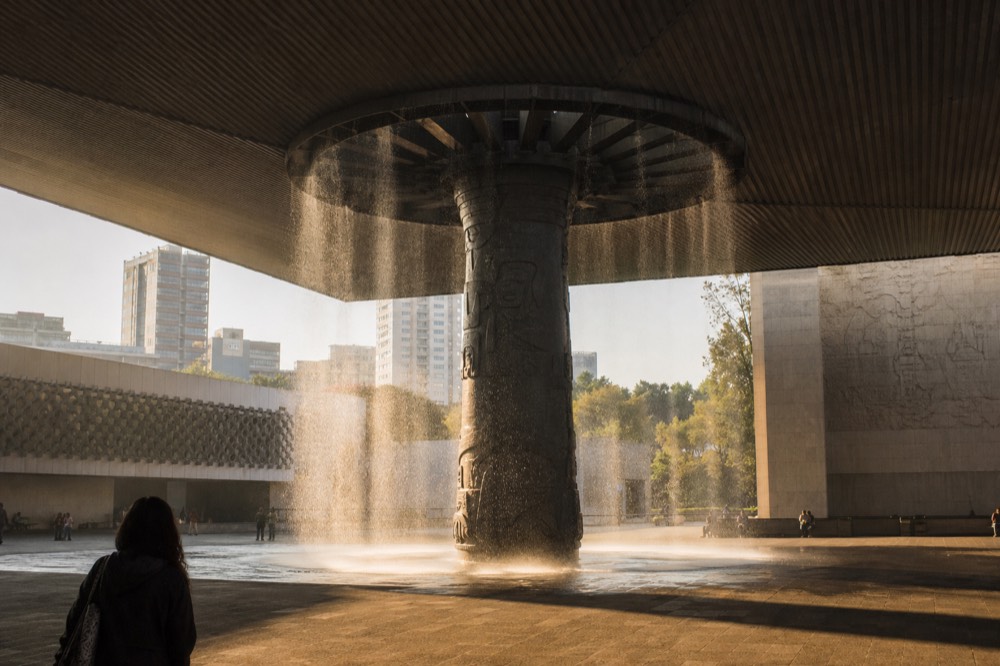
Start on the ground floor, where the famous objects live. The Mexica hall funnels toward the Sun Stone, a monolith once read as calendar and cosmology together, alongside the towering Coatlicue statue and a stone model of the great temple. From there the Teotihuacán hall rebuilds part of a painted, plastered pyramid at full scale, a preview of standing among the Teotihuacán pyramids yourself, and the Maya hall leads down to Pakal's chamber, where the jade mosaic mask is one of the treasures of the Americas. The building is part of the show: Pedro Ramírez Vázquez set the halls around a courtyard with a huge concrete canopy pouring water from a single column. If you want a route rather than a wander, our guide to what to see first inside the halls ranks the must-stops.
What does a ticket cost, and is the bookable one worth it?
Walk-up admission is 210 MXN, around $10.50, for foreign adults in 2026, with a reduced rate for Mexican nationals and residents holding ID. The bookable ticket costs a little more and adds a timed slot plus a phone-based digital guide, which earns its keep here because the halls are vast and the free labels are uneven.
For the money, the value is not in doubt. The reason to book ahead rather than pay at the gate is queue and structure: this is the most-visited museum in Mexico, the desk backs up by midday, and a timed entry lets you start with the Sun Stone before the tour groups arrive. The digital guide matters more than at a smaller museum, because it keeps you from drifting past the best pieces in rooms this big.
| Detail | 2026 |
|---|---|
| Foreigner adult admission | 210 MXN (~$10.50); check the live listing |
| Mexican national or resident (with ID) | Reduced rate |
| Hours | Tuesday to Sunday, about 9:00 to 18:00 |
| Closed | Mondays |
| Bookable ticket adds | Timed slot plus digital guide |
How long does it take, and can it overwhelm you?
Give it three to four hours minimum, and a half-day if you read the cases or add the ethnography floor. Yes, it can overwhelm you, and that is the honest downside. The scale that makes it great also makes it tiring, so the visitors who leave disappointed are usually the ones who tried to see every hall in a single push.
The fix is to plan for a few rooms done well rather than all of them done badly. Pick the Mexica, Teotihuacán and Maya halls as your spine, treat the rest as bonus, and sit down in the courtyard when your feet complain. Families with young children should expect the second floor to test everyone's patience, so keep the visit to the archaeology highlights. For stops chosen with kids in mind, our guide to the museums that work best for children points to the hands-on ones. Our note on how long you really need breaks the timing down by how much you want to see.
When should you skip a visit?
Skip it on a Monday, because the museum, like the other main INAH institutions, is closed. Reconsider a Sunday too: the free-Sunday rule applies only to Mexican nationals and residents, so foreigners still pay the full rate and simply share the halls with the biggest local crowds of the week. A weekday morning is far calmer.
The other honest skip is a preference mismatch. If your idea of a museum is a hanging of fine-art paintings, this is not that: it is archaeology and ethnography, monumental stone and reconstructed cities. Most people find that thrilling, but if it leaves you cold, spend the time elsewhere. There is no free-Sunday saving for international visitors to weigh against the crowds, so the calmer weekday almost always wins.
What sits nearby to pair with it?
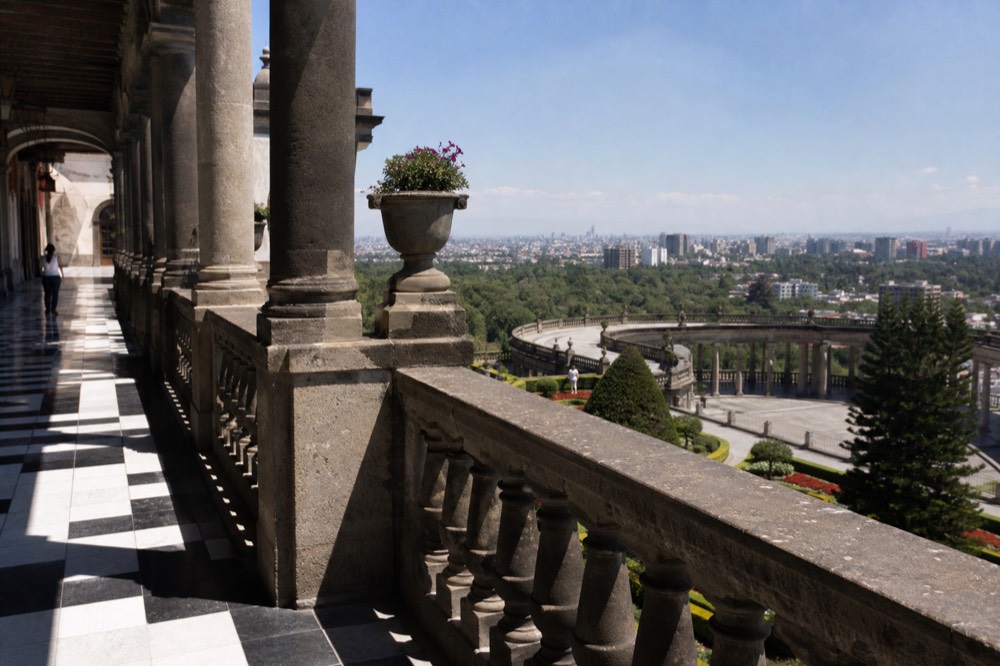
The museum shares the first section of Chapultepec park with several others, so you can build a day here without leaving the green. Chapultepec Castle crowns the hill for the national history collection and the view down Reforma, and the modern-art museums are a short walk along the same avenue. Across town, Templo Mayor extends the Aztec story into the excavated great temple.
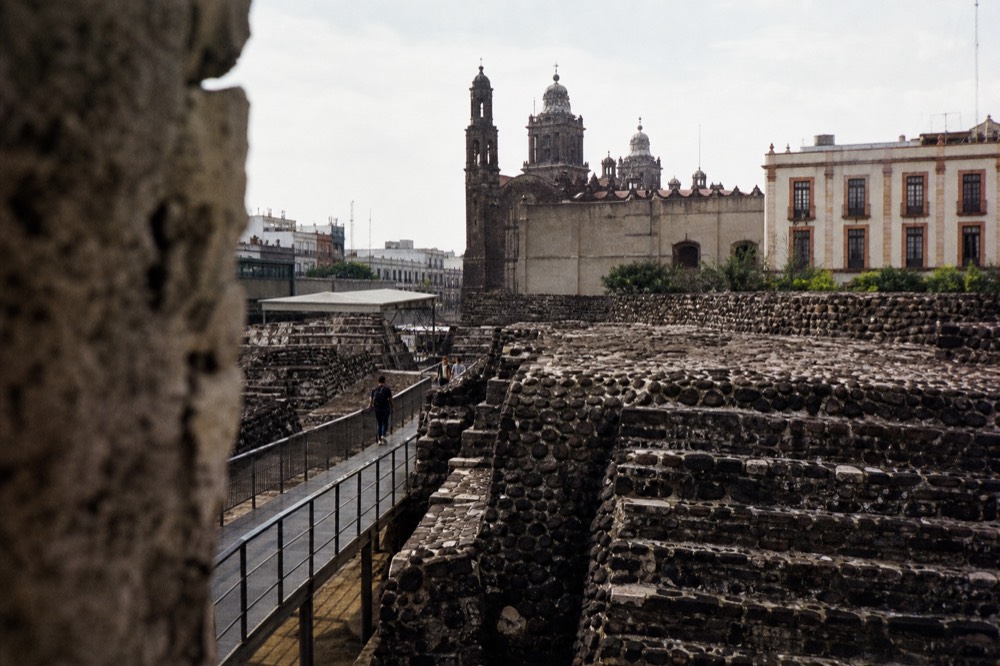
For a deep-time-to-conquest arc, Templo Mayor is the natural companion: the open-air ruins of the twin pyramid beside the Zócalo, with a museum holding the Coyolxauhqui stone and offerings dug from the foundations. You can reserve on the Templo Mayor entry page, and the wider spread of Mexico City museums in the same corner of the city makes a full day easy. For the ranked context, see our shortlist of the museums worth your time. Current hours and policy sit on the official museum site, with the visitor record in the INAH reports.
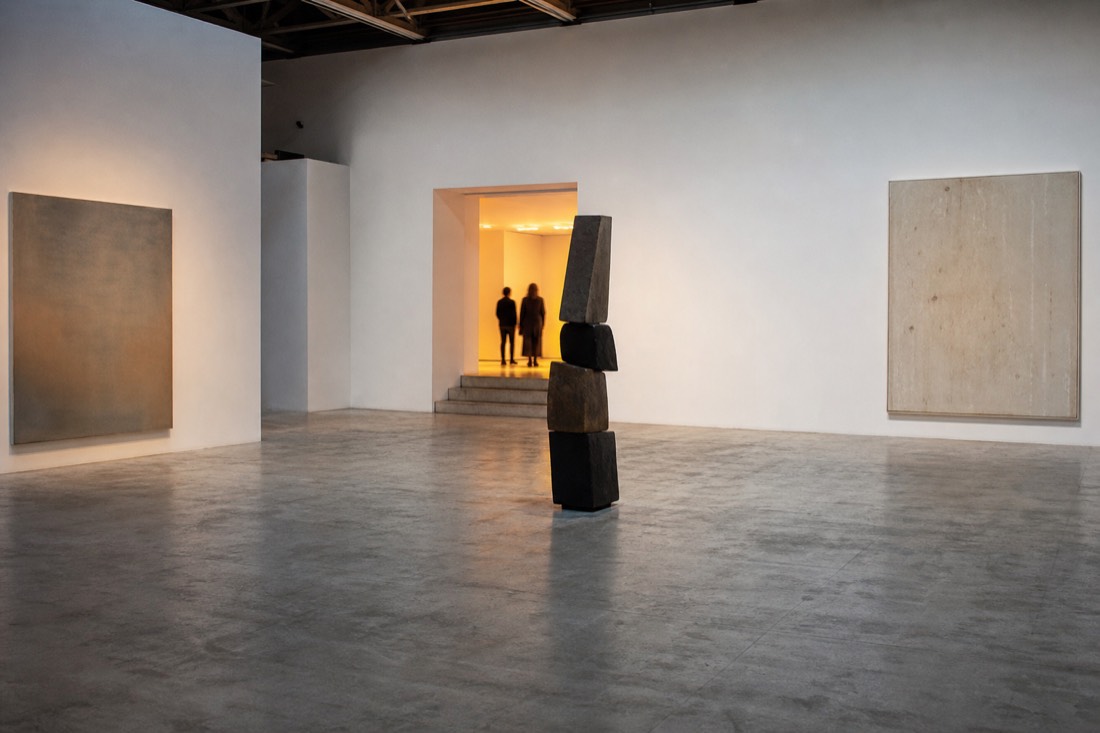
So, worth it? For almost everyone, clearly yes, and often the highlight of a trip. Come on a weekday morning, choose your halls, take the courtyard break, and let a museum that runs on scale work in your favor rather than against you.
Match The Day To Your Plans And Compare Costs
Editorial starting point. Confirm your party's age, access needs and departure details on the listing.
Anthropology Museum Ticket with Digital Guide: Museum entrance; Digital guide Not included: Transportation not promised; No live guide 1–4 hours, self-paced
Private Anthropology Museum Tour: Private guide; Customizable visit Not included: Admission purchased separately 2 hours
5 Hour Tour through Chapultepec, Anthropology Museum and Castle: Both museum admissions; Guided park and museum itinerary Not included: Lunch not promised; Castle locker not promised 5 hours; castle first, then Anthropology
Mexico City, Anthropology Museum Tour Summary: private guide; museum ticket Not included: transport not stated as included 2.5 hours
Compare Your Actual Quotes
Use the same currency for both totals, including transport, admission and guide fees. This compares your quotes, not live prices.
Compare what each total includes: admission, a guide, transport and time arranging reservations.