Teotihuacán Day Trip from Mexico City: 2026 Logistics and the Pyramids
How to plan a Teotihuacán day trip in 2026: the 210 MXN entry, bus and tour options, current pyramid-access restrictions, and the Anthropology hall that puts the site in context.
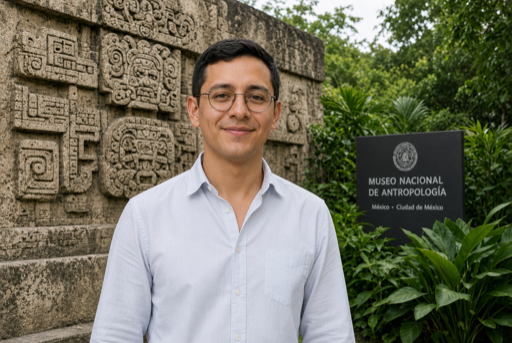 By Diego Morales, Mexico City Museums Specialist & Cultural Guide
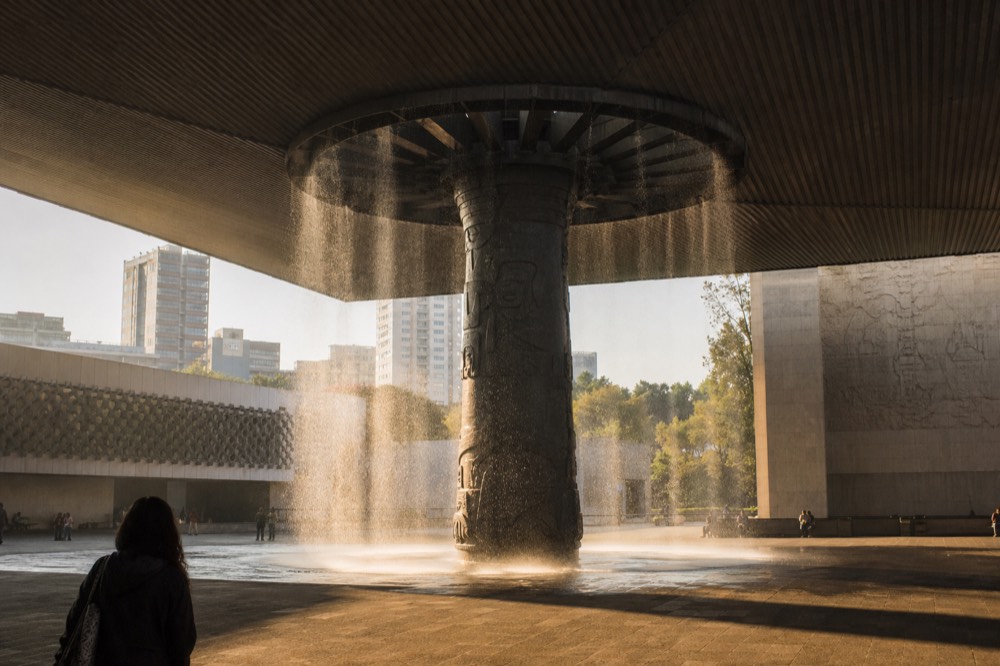
Stand at the foot of the Pyramid of the Sun and the scale rearranges your sense of the ancient Americas. Teotihuacán was one of the largest cities on earth around 500 AD, home to more than a hundred thousand people, and it was already a haunted ruin when the Aztecs found it and gave it the name we still use: the place where the gods were made. It sits about fifty kilometers northeast of the modern capital, which makes it the classic day trip, and one that trips up a lot of visitors who expect a museum in town.
Here is the thing to get straight first. Teotihuacán is an archaeological site out in the valley, not one of the Mexico City museums, and access to pyramid staircases can change, so check the latest INAH notice before you travel. This guide covers the 2026 logistics honestly: what the site costs, how to get there by bus or organized tour, what you actually can and cannot do on the ground, and the one museum in the city that lets you see Teotihuacán's treasures up close before or after you go.
Is Teotihuacán a museum or a day trip?
A day trip. Teotihuacán is a UNESCO-listed archaeological site about fifty kilometers northeast of Mexico City, not a museum inside it, so you travel out to a valley of pyramids rather than a gallery in town. Foreigner entry is around 210 MXN, it is open most days, and a proper visit runs half a day with travel.
The confusion is understandable, because Teotihuacán and the city museums are two halves of one story. The site is the real thing: the Pyramid of the Sun, the Pyramid of the Moon, the two-kilometer Avenue of the Dead and the temple complexes strung along it, all built by a civilization that had vanished centuries before the Aztecs arrived. It carries a UNESCO World Heritage listing, which you can read on the official UNESCO World Heritage entry, and it deserves the trip on its own terms.
Treat it as a half to full day out rather than a museum stop you slot between lunch and coffee. The travel each way is about an hour, the site is huge and mostly unshaded, and the on-site museums add time. We plan it as its own day, ideally bracketed by a city museum visit that fills in the history, since the objects dug from Teotihuacán largely live in town rather than at the ruins. The orientation table below sets the basics before the detail.
| Teotihuacán | What to know |
|---|---|
| What it is | Ancient city and pyramids, an archaeological zone |
| Where | About 50 km northeast of Mexico City |
| Status | UNESCO World Heritage Site |
| 2026 foreigner entry | Around 210 MXN (~$10.50) |
| Can you climb the pyramids? | Sun closed; check current Moon access with INAH |
| Time needed | Half to full day with travel |
Can you climb the pyramids at Teotihuacán in 2026?
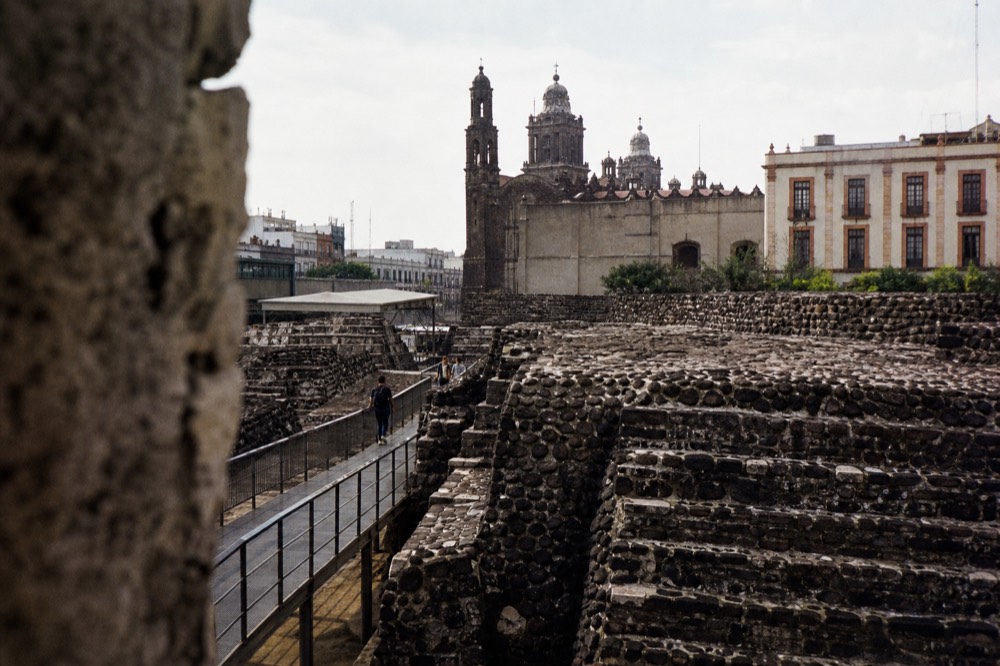
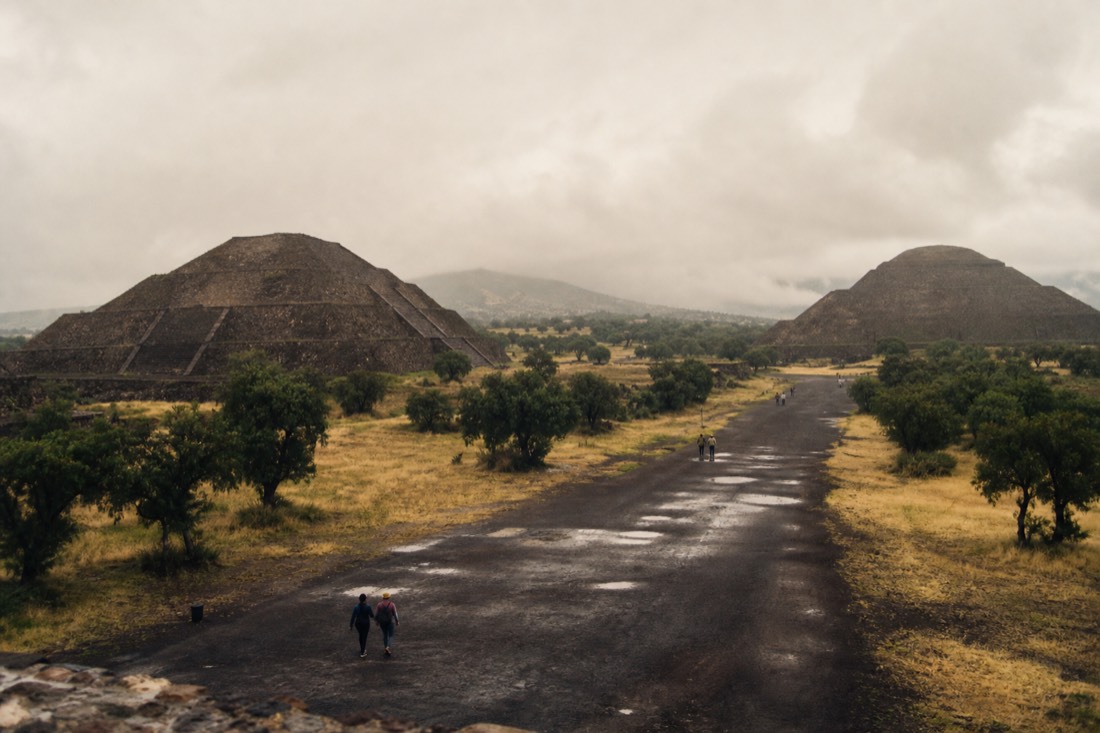
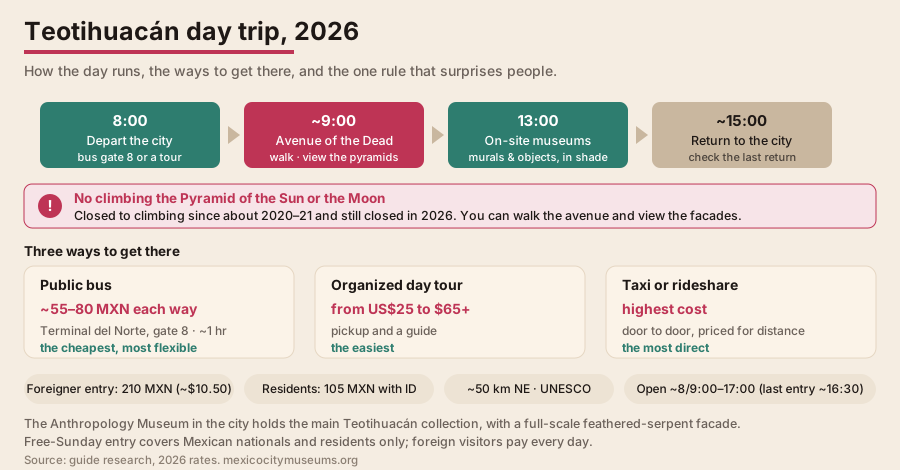
Do not expect to climb the Pyramid of the Sun. Moon access has changed during 2026: INAH reported its reopening on April 22, so the older blanket statement that both pyramids are closed is no longer accurate. Check current restrictions before travelling and follow the barriers and staff instructions on the day.
This is the honesty point that matters most, because a great deal of older advice and nearly every classic photograph shows visitors perched on top of the Sun pyramid. Those images predate the closure. The Sun pyramid remains restricted, while access at the Moon has changed. INAH’s April 22 reopening notice is a useful correction to older advice; it is not a guarantee of access on your travel date. If climbing to a summit is the whole reason you were going, adjust your expectations before you travel rather than at the base of a barrier.
What remains is still extraordinary, and arguably reads better at ground level. The Avenue of the Dead runs dead straight between the pyramids, and walking its full length gives you the axis the whole city was built around. The Ciudadela at the southern end holds the Temple of the Feathered Serpent, its facade studded with carved stone heads of Quetzalcóatl and the storm god, one of the finest surviving sculptures at the site. Add the on-site museums, the palace compounds with their surviving murals, and the sheer horizon-filling scale, and a no-climb visit is far from a diminished one.
The change actually rewards a slower kind of visit. Instead of queueing to grind up a staircase, you spend the time reading the site as a plan: the alignment of the two great pyramids, the platforms lining the avenue, the way the Ciudadela frames the Feathered Serpent temple. The on-site museums, included in your ticket, hold scale models and finds that make sense of what you are looking at, and they double as the only real shade on a hot afternoon. Bring good shoes, because the ground is uneven stone and the distances between the monuments are longer than photographs suggest.
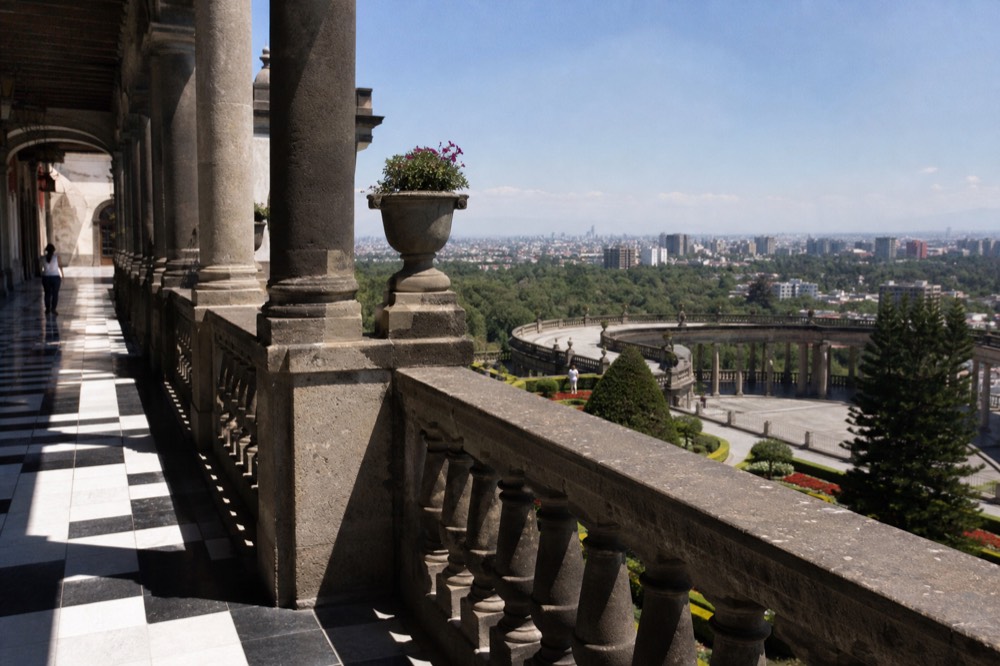
| At the site | Open to visitors? |
|---|---|
| Walk the Avenue of the Dead | Yes |
| Climb the Pyramid of the Sun | No, closed in 2026 |
| Climb the Pyramid of the Moon | No, closed in 2026 |
| Temple of the Feathered Serpent facade | Yes, viewable in the Ciudadela |
| On-site museums and murals | Yes |
How much does Teotihuacán cost, and when is it open?
Foreigner entry is around 210 MXN (~$10.50) in 2026, with Mexican nationals and residents paying around 105 MXN. The site opens most days from roughly 8:00 or 9:00 to 17:00, with last entry near 16:30. Free-Sunday applies to nationals and residents with ID only, so foreign visitors pay every day.
The pricing sits at the standard INAH archaeological-zone rate, the same band as the big city sites like Templo Mayor and the Anthropology Museum. One ticket covers the whole zone, including the on-site museums, and there is no timed online system to worry about: you buy at the gate. Bring cash to be safe, wear a hat and sunscreen, and carry water, because the valley is high, dry and almost entirely without shade once you are on the avenue.
The free-Sunday rule is the same trap it is everywhere in the country. It is a genuine benefit, but only for Mexican nationals and foreign residents who can show ID or a residency card, and international tourists pay the full foreigner rate on a Sunday exactly as on a Tuesday. Sundays also draw the largest local crowds, so they are the least comfortable day to walk a packed avenue. A weekday morning near opening is the sweet spot for cooler air, thinner crowds and better light. You can confirm current hours and any closures with INAH, the national institute that runs the site.
| Teotihuacán 2026 | Detail |
|---|---|
| Foreigner adult | Around 210 MXN (~$10.50); check on arrival |
| Nationals and residents | Around 105 MXN with ID |
| Hours | Roughly 8:00 or 9:00 to 17:00; last entry near 16:30 |
| Free Sunday | Nationals and residents with ID only; foreigners pay |
| Tickets | Bought at the gate, cash advised; no timed online slot |
How do you get to Teotihuacán, bus or tour?
Two honest routes. The cheapest is the public bus from the Terminal del Norte, from the Autobuses Teotihuacán line at gate 8, marked "Pirámides," running frequently at around 55 to 80 MXN each way for a trip of about an hour. The easier route is an organized day tour with transport and a guide, usually from around US$25 to US$65 and up.
The bus is straightforward once you know the platform. Head to the Terminal Central del Norte, find the Autobuses Teotihuacán counter near gate 8, and ask for "Pirámides" rather than the town of San Juan Teotihuacán, so you are dropped at a site entrance. Services run often through the day, the ride is about an hour outside rush hour, and you keep full control of your own timing. Note the last return buses leave in the late afternoon, so check the return schedule when you arrive rather than assuming a late departure.
An organized tour trades some of that freedom for convenience. The good ones fold in hotel or central pickup and a guide who reads the site for you, and many add extra stops along the way, which is part of why they run such a range of prices. We do not sell a Teotihuacán trip ourselves, so treat the tour as a third-party add-on and book it directly from the operator you choose, checking exactly what the price includes before you pay. If your day is really about the museums, the honest call is often the bus out and a city museum in the afternoon, which our one-day museum itinerary can help you slot together.
Whichever route you take, plan the return as carefully as the outbound. The valley empties in the late afternoon, the last buses back leave earlier than most people expect, and a taxi from the gate to the city runs to a real fare over that distance. Carry small bills for the entrance and the bus, since card payment is not reliable at either, and keep some water and sun cover in your bag for a site that offers almost no shade once you are on the avenue.
| Route | Cost | Trade-off |
|---|---|---|
| Public bus (Terminal del Norte, gate 8) | Around 55 to 80 MXN each way | Cheapest, full flexibility, no guide |
| Organized day tour | From around US$25 to US$65+ | Pickup and a guide, less freedom on timing |
| Taxi or rideshare | Highest | Door to door, priced for the distance |
Where do you see Teotihuacán in the city itself?
In the National Museum of Anthropology, which holds the finest Teotihuacán collection anywhere. Its Teotihuacán hall reconstructs part of the feathered-serpent temple facade at full scale and gathers the masks, murals and sculpture excavated from the site. Foreigner admission is around 210 MXN (~$10.50), and it closes Mondays.
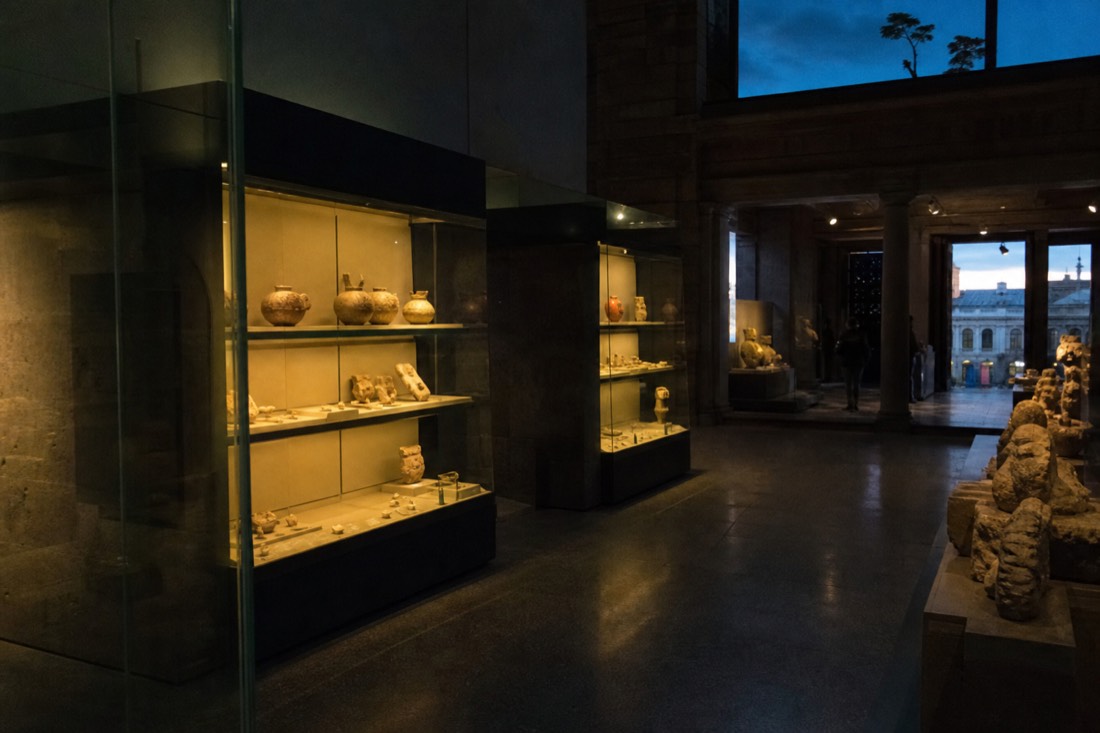
This is the pairing that makes the whole trip land. The archaeological zone gives you the scale and the silence; the museum gives you the objects, because most of what was dug from Teotihuacán was moved into town for conservation and display. In the museum's Teotihuacán hall you stand before a reconstructed section of the pyramid facade with its serpent and storm-god heads picked out much as they once were, alongside the stone masks, the ceramic braziers and the fragments of the vivid painted murals that once covered the city's walls.
Seeing the hall before you travel primes you for what you are walking through; seeing it after gives the ruins their faces and colors back. Either order works, and both beat doing one without the other. The museum is the busiest in the country and needs three to four hours in full, so give it a morning of its own, and lean on our notes on what to see at the Anthropology Museum and whether the Anthropology Museum is worth it to plan the halls. You can confirm hours on the official Anthropology Museum site. The bookable ticket adds a timed slot and a digital guide, which earns its keep on a busy weekend.
Hold a timed slot on the Anthropology Museum entry ticket page for the day you bracket the Teotihuacán trip.
How does Teotihuacán connect to the Aztec story downtown?
Closely. The Aztecs revered Teotihuacán as a sacred ancestral city and borrowed its imagery for their own capital, whose excavated heart is the Templo Mayor beside the Zócalo. Standing in both, the ruined metropolis and the Aztec temple that echoed it, joins the two ends of central Mexican history. Foreigner admission to Templo Mayor is around 210 MXN (~$10.50), closed Mondays.
Teotihuacán had already been abandoned for roughly seven centuries when the Mexica founded Tenochtitlan, yet they treated its ruins as holy ground, made pilgrimages there, and drew on its style and myths to legitimize their own rule. That thread runs straight into the Templo Mayor, the twin pyramid at the center of the Aztec capital, uncovered from 1978 beside the cathedral. Its site museum holds the colossal Coyolxauhqui and Tlaltecuhtli stones and the offerings buried as the temple grew, the Aztec answer to the older city's grandeur.
Visiting the two together, along with the deep-time halls of the Anthropology Museum, is the spine of a serious history trip, and it is the argument our history museums guide lays out in full. Templo Mayor sits in the middle of the historic centre, so it pairs with the cathedral, the Palacio Nacional murals and the Zócalo in a single walkable afternoon. One ticket covers the ruins and the site museum, and a skip-the-line entry helps at midday, when the window on that busy corner backs up.
What else pairs with a Teotihuacán trip?
A Chapultepec museum day is the natural other half. After the ruins and the Anthropology hall, Chapultepec Castle carries the story forward into Mexico's imperial and revolutionary history, with murals and the best free view down Reforma. Foreigner admission is around 210 MXN (~$10.50), it closes Mondays, and the castle shares its park with the Anthropology Museum.
If Teotihuacán and the Anthropology Museum cover deep antiquity, the castle brings the timeline up to the nineteenth and twentieth centuries. As the Museo Nacional de Historia, Chapultepec Castle traces the country from the conquest through independence to the revolution, in the rooms where Emperor Maximilian actually lived, with Orozco and O'Gorman murals downstairs and a hilltop terrace above. It sits in the same first section of Chapultepec as the Anthropology Museum, so the two make an easy paired day that bookends a Teotihuacán trip beautifully.
Building the museum side of your visit around Chapultepec keeps the walking down and the theme coherent: antiquity in the morning at Anthropology, history in the afternoon at the castle, the ruins on their own separate day. Our Chapultepec park museums guide maps that cluster in detail, and the ranked best-museums shortlist shows where each of these fits against the rest of the city. The castle has no timed online ticket, so a skip-the-line entry mainly helps on a busy weekend when the ramp queue builds.
How do you plan the Teotihuacán day well?
Go early, carry water, and bracket it with a city museum. Take a morning bus or tour to beat the heat and the crowds, budget half to a full day, and pair the trip with the Anthropology Museum so the objects and the ruins explain each other. Skip Sunday if you can, and check the current pyramid-access rules.
The clearest way to think about it is as two linked days rather than one crammed one. One day is the ruins: out to the valley on a morning bus or tour, the full length of the Avenue of the Dead, the Ciudadela and the on-site museums, back by late afternoon. The other is the museums: the Anthropology Museum for the Teotihuacán hall and the Sun Stone, then Chapultepec Castle or the Templo Mayor for the later history. Done that way, nothing feels rushed, and the ruins arrive with context instead of as a bare pile of stones.
The mistakes we see are avoidable. People go on a scorching Sunday, expecting a free entry that only residents get and unrestricted pyramid access, and come back underwhelmed. Flip all three: a weekday morning, a paid foreigner ticket you planned for, and the walk taken at ground level with the museum context in your head. The grid below is the quick version, the shortcut we hand anyone who just wants the day mapped.
| Time | Plan | Why |
|---|---|---|
| Day 1, 8:00 | Bus or tour to the pyramids | Cooler air, thinner crowds, best light |
| Day 1, 13:00 | On-site museums, then return | Shade and objects after the open avenue |
| Day 2, 9:00 | National Museum of Anthropology | The Teotihuacán hall and the Sun Stone |
| Day 2, 15:00 | Chapultepec Castle or Templo Mayor | Later history, same museum mood |
| If you want | Do this | Note |
|---|---|---|
| The cheapest trip | Public bus from gate 8 | Check the last return time on arrival |
| The easiest trip | An organized day tour | Pickup and a guide, booked with the operator |
| The objects up close | The Anthropology Museum | The site's finds live here, not at the ruins |
| The Aztec continuation | Templo Mayor | The Mexica revered Teotihuacán |
| A full museum day after | Chapultepec Castle | Later history, in Anthropology's park |
If you take one thing from this guide, let it be that Teotihuacán rewards a little planning and a lot of water. It is a day trip, not a museum in town; pyramid access depends on current restrictions; and the treasures that came out of the ground are waiting in the Anthropology Museum whenever you are ready to give them an afternoon. Do it in that spirit, on a cool weekday morning, and the place where the gods were made will feel every bit as vast as its reputation.
Match The Day To Your Plans And Compare Costs
Editorial starting point. Confirm your party's age, access needs and departure details on the listing.
Teotihuacan Early Access Guided Tour with optional Lunch: Professional bilingual guide; Round transportation from meeting point; Entrance to Teotihuacan Archeological Site; Box lunch (if option is selected) Not included: Drinks and tips; lunch depends on option; itinerary includes workshop and restaurant stops 8 hours
Compare Your Actual Quotes
Use the same currency for both totals, including transport, admission and guide fees. This compares your quotes, not live prices.
Compare what each total includes: admission, a guide, transport and time arranging reservations.