Mexico City Museum Pass and Tickets: How They Really Work in 2026
How Mexico City museum tickets and passes work in 2026: why there is no single official city pass, what the Civitatis pass and Turibús actually are, per-museum prices, and when a pass pays off.
 By Diego Morales, Mexico City Museums Specialist & Cultural Guide
Search for a "Mexico City Pass" and the ads make it look official, a single card that opens every museum in town. It is not. There is no city-issued pass here, no equivalent of the Go City or CityPASS cards other capitals sell, and the products dressed up to look like one are private bundles that suit a narrow kind of traveler. Understanding that one fact saves most visitors both money and a booking headache.
The pass question is the first thing many people ask about Mexico City museums, and the honest answer surprises them: for almost everyone, you buy admission museum by museum, most of it is cheap, and a couple of it is free. The real skill is knowing which tickets to lock down early (there is essentially one), which to buy at the gate, and when a pass or a hop-on bus genuinely earns its price. This guide lays out how the ticketing actually works in 2026, with the numbers to back every call.
Is there an official all-in-one museum pass?
No. There is no single official pass covering the city's museums, unlike New York or London. The "Mexico City Pass" you see advertised is a commercial Civitatis bundle from around US$159, and the Turibús is a private sightseeing bus, not a museum card. For most visitors, paying the modest foreigner admissions per museum costs far less than either.
This is the myth worth clearing first. No municipal body issues an all-in-one card that bundles the main museums and transport, so any product marketed as "the Mexico City Pass" is a private operator's package rather than an official city pass. The two you will actually run into are the Civitatis "Mexico City Pass" or "City Passport," a tour-operator bundle of 20-plus attractions and tours from about US$159, and the Turibús, a hop-on-hop-off tourist bus that costs around 400 MXN for a day and stops near sights but is not a museum ticket at all.
Neither is a scam; they are simply different things from what the marketing implies. The Civitatis product can make sense for a very specific traveler, which we get into below, and the Turibús is a fine way to see the city from the top deck. But if your goal is to visit four or five museums, you do not need either. The table separates what these products really are so you can stop comparing them to an official pass that does not exist.
The reason no official pass exists is partly structural. The museums answer to different authorities, the federal INAH and INBAL systems, a city government, a public university and several private foundations, with no single body positioned to issue one card across all of them. That fragmentation is exactly why the products filling the gap are private bundles rather than a public pass, and why their coverage is a curated list rather than everything in town.
| Product | What it actually is | From price | Official city pass? |
|---|---|---|---|
| Civitatis "Mexico City Pass" | Private bundle of 20+ attractions and tours, 3/5/15 days | ~US$159 | No, a commercial product |
| Turibús | Hop-on-hop-off sightseeing bus, not a museum ticket | ~400 MXN/day | No, a bus service |
| Per-museum tickets | Admission bought at each museum or online | Free to ~320 MXN each | The default; no pass needed |
What is the Civitatis "Mexico City Pass," really?
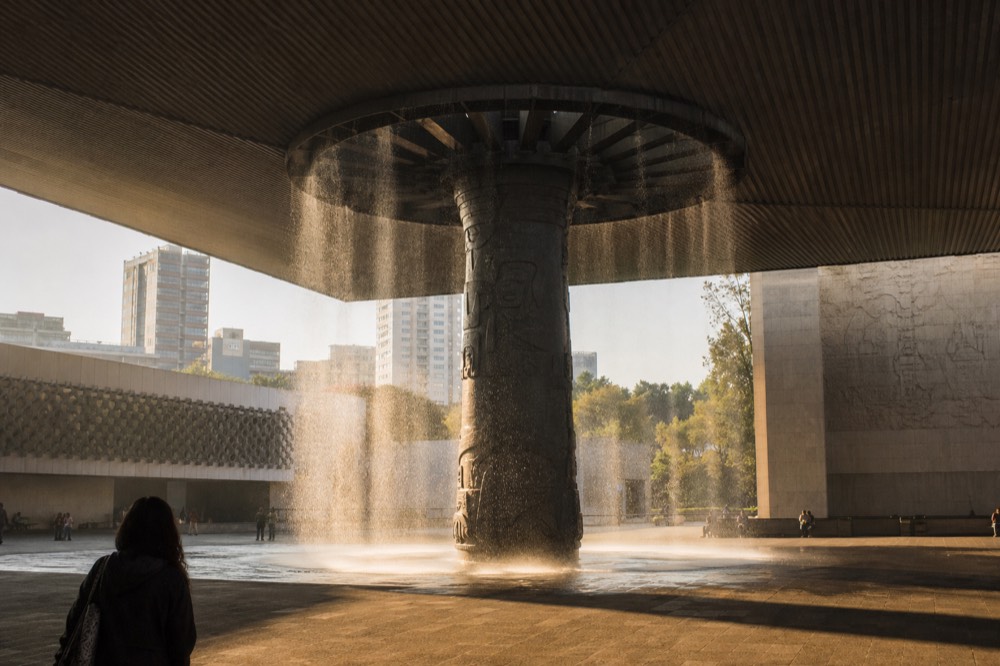
It is a commercial bundle sold by the tour operator Civitatis, not a city card. For a flat price from around US$159 it gives QR-code access to 20-plus attractions, museums and tours over 3, 5 or 15 consecutive days, including things like the Anthropology Museum, the Torre and a hop-on bus. It only pays off if you cram a lot of paid attractions into a short window.
The Civitatis pass is a real, usable product, and the confusion is purely about the name. It bundles a long list of paid attractions and tours under one QR code, valid for a set run of consecutive days, and the appeal is convenience plus a discount if, and only if, you would otherwise pay for many of those same attractions anyway. The catch is that a big chunk of the city's best museum experiences are cheap or free, so the bundle's headline value leans on paid extras, tours and the sightseeing bus rather than on museum admissions that cost a few dollars each.
So who is it for? A visitor on a tight three-day window who wants to hit a dozen ticketed attractions, ride the bus, and not think about individual purchases can come out ahead. A traveler doing four museums at a relaxed pace almost never does. Run your own list against the pass price before buying; the math below makes that easy. For most people the honest verdict is that the modest per-museum foreigner admissions beat the pass, which is exactly why we route visitors to individual tickets rather than a bundle.
Picture the traveler it actually fits: someone with three days who wants the Anthropology Museum, the Torre, a hop-on-bus loop, a guided Coyoacán walk, a Teotihuacan tour and a handful of other paid stops, all booked under one code. Add those up individually and the total can approach or pass the bundle price, so the pass buys convenience and a small saving. Strip out the tours and the bus, though, and the same list drops to a fraction of the cost, which is where most museum-first visitors land.
| A pass suits you if... | Skip the pass if... |
|---|---|
| You want 10+ paid attractions in 3 to 5 days | You are doing 3 to 5 museums at a normal pace |
| You will use the hop-on bus and paid tours | Your list is mostly cheap or free museums |
| You value one QR code over separate buys | You would rather pay ~$10 admissions as you go |
How do you actually buy tickets for each museum?
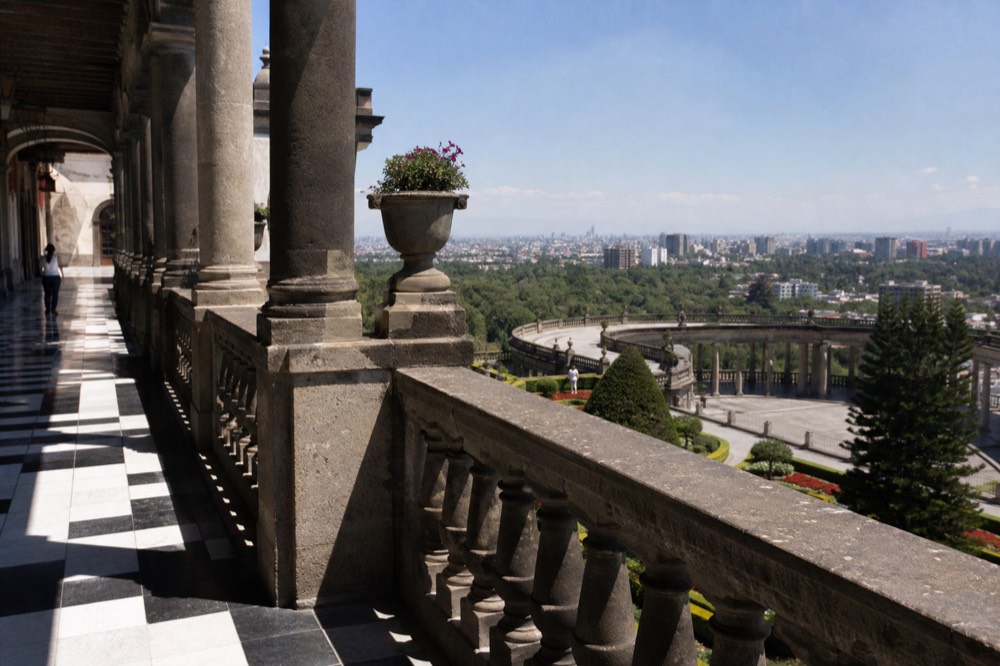
Mostly per museum, and mostly on the day. The INAH sites, the Anthropology Museum, Chapultepec Castle and Templo Mayor, sell tickets at the gate for around 210 MXN (~$10.50) for foreigners, or through the INAH online portal. The Frida Kahlo Museum is the exception: it is timed, online-only and sells out weeks ahead. Several museums are free.
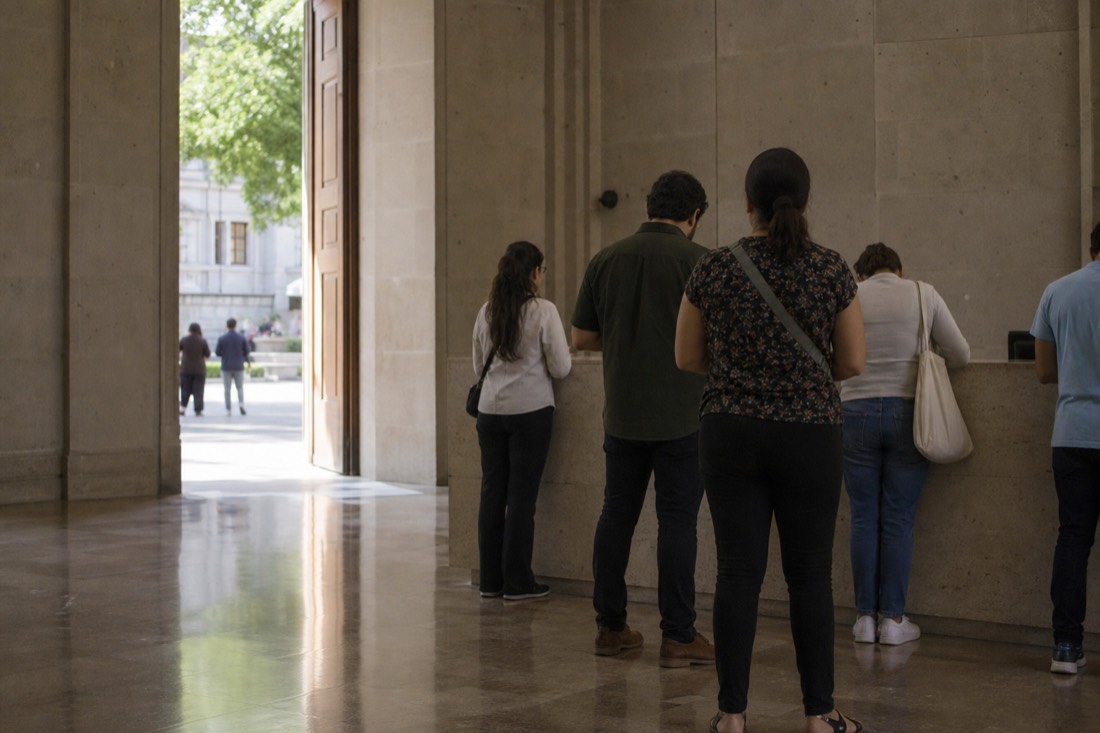
For the big archaeology and history museums, buying is simple. You turn up, pay the foreigner rate of about 210 MXN at the booth, and walk in; there is no mandatory timed reservation at the Anthropology Museum, Chapultepec Castle or Templo Mayor. Those who want to skip the gate queue on a busy day can buy a skip-the-line ticket in advance, and the federal system also runs its own official online sales through the INAH portal. The Palacio de Bellas Artes charges only a small museum admission of around 95 MXN, with its ground-floor lobby free to walk into. Museo Soumaya, the Palacio Nacional murals (free with a photo ID), the Estanquillo and the Museo Nacional de las Culturas cost nothing.
The discounts are worth knowing even if you pay the foreigner rate. Children under a set age, students and teachers with valid ID, seniors and people with disabilities enter the INAH museums free or reduced, and Mexican nationals and residents pay the lower national rate throughout. Foreign tourists do not qualify for the resident discounts or free-Sunday, but families traveling with Mexican relatives often can, so it is worth asking at the booth rather than assuming everyone at the counter pays the top rate.
The one museum that breaks every rule above is the Frida Kahlo Casa Azul, and it deserves its own section below. First, the skip-the-line option: on a weekend at the Anthropology Museum, a ticket with a digital guide is worth the small premium to avoid a long line at the gate. Hold one on the Anthropology Museum entry ticket page. You can confirm the museum's own rules on the official Anthropology Museum site.
| Museum | 2026 foreigner adult | How to buy |
|---|---|---|
| National Museum of Anthropology | ~210 MXN (~$10.50) | Gate, INAH portal, or skip-line in advance |
| Chapultepec Castle | ~210 MXN (~$10.50) | Gate booth at the base of the ramp |
| Templo Mayor | ~210 MXN (~$10.50) | Gate or skip-line in advance |
| Frida Kahlo Museum (Casa Azul) | ~320 MXN (~$16) | Online only, timed, sells out weeks ahead |
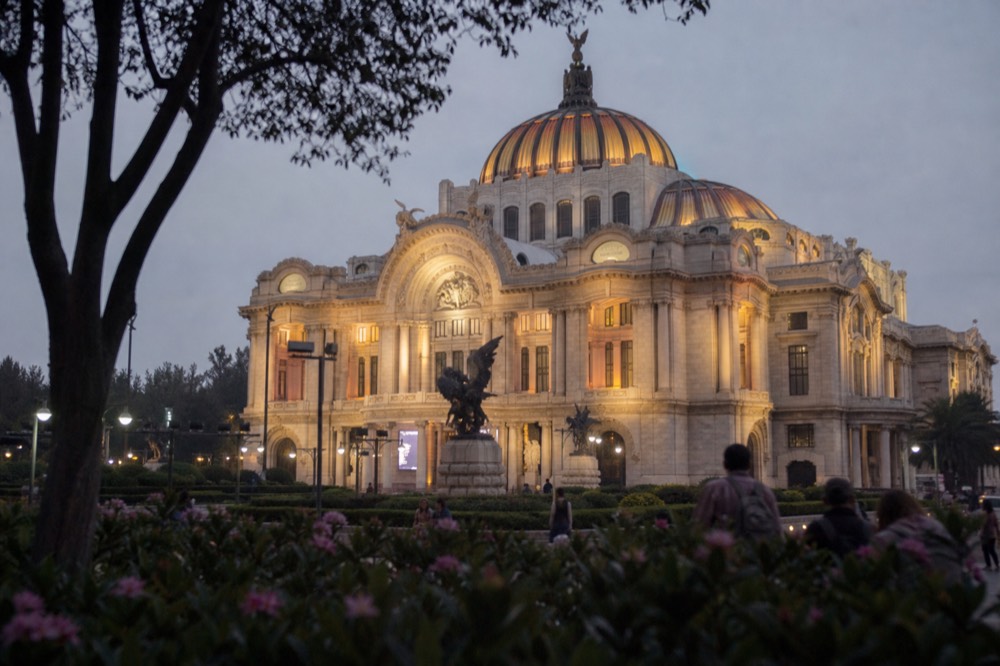
| Palacio de Bellas Artes museum | ~95 MXN (~$4.75); lobby free | At the museum; free lobby needs no ticket |
A small honest extra on the INAH museums: if you plan to film with anything beyond a phone, there is a low video-permit fee of around 63 MXN, nudging to 65 MXN from mid-2026. It is minor, but it surprises people at the gate.
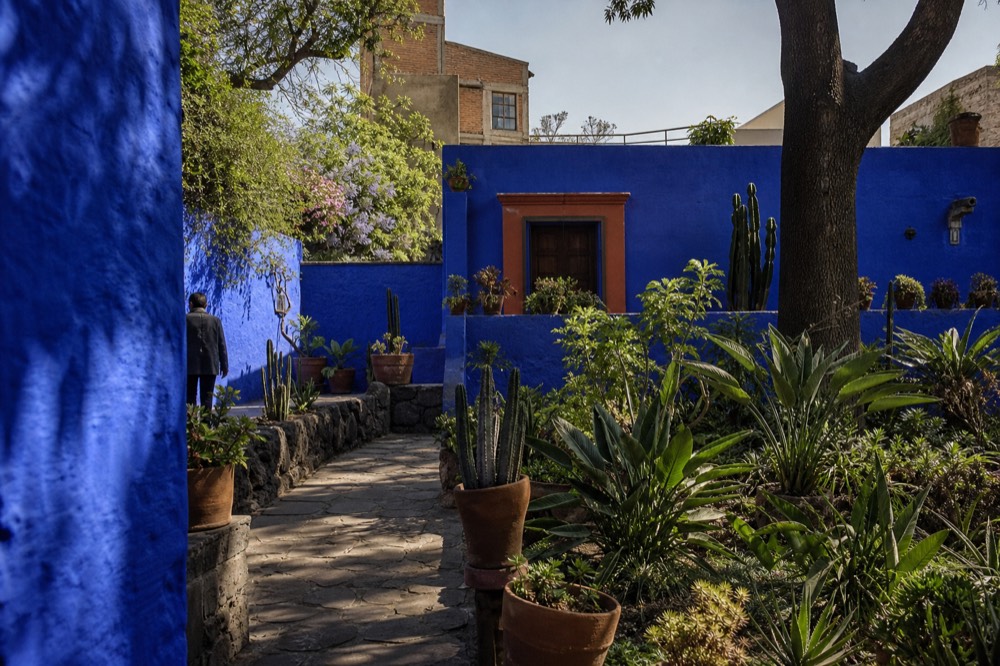
Why is the Frida Kahlo Museum the one exception?
Because it is the only major museum here that you genuinely cannot buy on the day. The Casa Azul in Coyoacán sells timed tickets online only, and they routinely go four to six weeks ahead, with no walk-up window. Foreigner admission is around 320 MXN (~$16), and the standard ticket includes entry to the Anahuacalli museum across town. Book the moment your dates are firm.
No ticket in the city causes more disappointment at the door, because there is no door sale at all. People arrive in Coyoacán expecting to buy on the spot and simply cannot get in. The official Casa Azul ticketing site releases timed slots that sell out well in advance, so the single most useful thing we can tell you is to book as soon as your travel dates are set, and to treat a sold-out day as a reason to shift your plan rather than to show up hopeful. This is precisely where booking ahead is the real value, not a convenience.
One bonus softens the price: the standard ticket includes courtesy entry to the Museo Anahuacalli, Diego Rivera's dark volcanic-stone temple of pre-Hispanic art, so two museums ride on one ticket. If your date is already gone, our guide to getting Frida Kahlo tickets when they are sold out covers the real workarounds, and our answer to whether you need advance tickets for the Frida Kahlo Museum spells out the timeline. Lock a slot on the Frida Kahlo Museum tickets page.
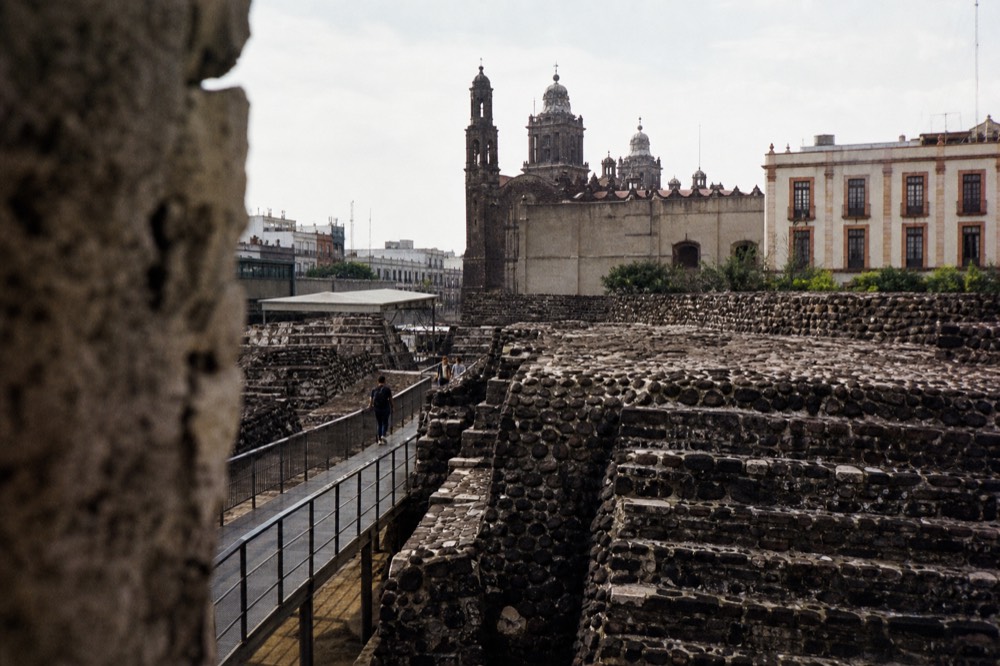
The Anahuacalli inclusion is genuinely useful for planning, not just a sweetener. The two sites keep the same closed day, both shutting Mondays, and a common Coyoacán day pairs a morning Casa Azul slot with an afternoon at Anahuacalli on the one ticket. If your Frida slot falls late in the day, though, check Anahuacalli's closing time before you count on reaching it, since it tends to shut earlier than visitors expect.
| Museum | When to buy |
|---|---|
| Frida Kahlo (Casa Azul) | Weeks ahead, online only, sells out |
| Anthropology, Castle, Templo Mayor | At the gate, or skip-line for weekends |
| Palacio de Bellas Artes museum | On arrival; the free lobby needs no ticket |
| Soumaya, Palacio Nacional, Estanquillo | Nothing to buy, free entry |
Does a skip-the-line ticket ever make sense?
Yes, on busy days at the big gates. At the Anthropology Museum, Chapultepec Castle and Templo Mayor, a skip-the-line ticket with a digital guide is worth the small premium on weekends and holidays, when the queue at the booth can run long. On a quiet weekday, the walk-up rate is fine. The choice is about crowds and your patience, not access.
The value of a skip-line ticket is entirely situational. On a Sunday, when free entry for residents packs the INAH museums, or during a holiday period, the line at the Anthropology Museum gate can stretch, and paying a little more to bypass it saves real time. On an ordinary Tuesday morning, you can walk up, pay the 210 MXN foreigner rate and be inside in minutes, so the premium buys nothing. Chapultepec Castle is the same story: the base-of-ramp booth moves quickly midweek but backs up on weekends when local families arrive.
The digital guide bundled with these tickets is the other reason people choose them, since the big halls have limited signage in English. If that appeals, a skip-line-plus-guide ticket does double duty. Weigh it against a quiet-day walk-up honestly. For Chapultepec specifically, hold a slot on the Chapultepec Castle skip-the-line ticket page, and our one-day museum itinerary flags exactly when the queues bite on a packed schedule.
What about the free museums and free-Sunday?
Several museums are genuinely free every day: Museo Soumaya, the Diego Rivera murals in the Palacio Nacional (free with a photo ID), the Museo del Estanquillo and the Museo Nacional de las Culturas. The much-repeated free-Sunday rule is the trap: at INAH and INBAL museums it applies to Mexican nationals and residents only, so foreign visitors pay every day.
This is the honesty point older guides get wrong, and it changes how you budget. Free-Sunday is a real 2026 policy, but it is a benefit for residents, not tourists. A foreign visitor at the Anthropology Museum pays the full foreigner rate on a Sunday exactly as on a Tuesday. Two exceptions are worth knowing: the Museo de Arte Moderno and the Museo Tamayo, both in Chapultepec, are free on Sundays for everyone, foreigners included, so those are the two genuine no-cost Sunday museum hours in the city.
The daily-free list is where the real savings sit, and it needs no pass at all. The Palacio Nacional puts Rivera's staircase history murals in front of you for the price of showing a photo ID, Museo Soumaya's collection costs nothing any day of the week, and the Palacio de Bellas Artes lobby is free even when the upstairs museum charges its small admission. For the full account of what stays free and what quietly started charging, see our guide to the genuinely free museums. Our quick answer on the museums that charge nothing lists them at a glance. Book the small Bellas Artes museum admission, if you want the murals, on the Palacio de Bellas Artes entrance page.
There is one more honest caveat about free-Sunday that shapes how you should use it. Because residents pay nothing that day, the INAH museums are at their most crowded on Sundays, with the longest gate lines of the week. So even setting aside that foreigners pay regardless, a Sunday is rarely the calmest time to visit the Anthropology Museum or the castle. Given the choice, a weekday morning trades a big crowd for a much better visit.
| Free option | What you see | Note |
|---|---|---|
| Museo Soumaya | Rodin bronzes, European and Mexican art | Free daily, including Mondays |
| Palacio Nacional murals | Diego Rivera's history staircase | Free with a photo ID |
| Museo del Estanquillo | Mexican popular culture and ephemera | Free; open Wednesday to Monday |
| MAM and Tamayo (Sundays) | Modern and contemporary art | Free Sundays for everyone, foreigners included |
Does the math favor a pass or paying per museum?
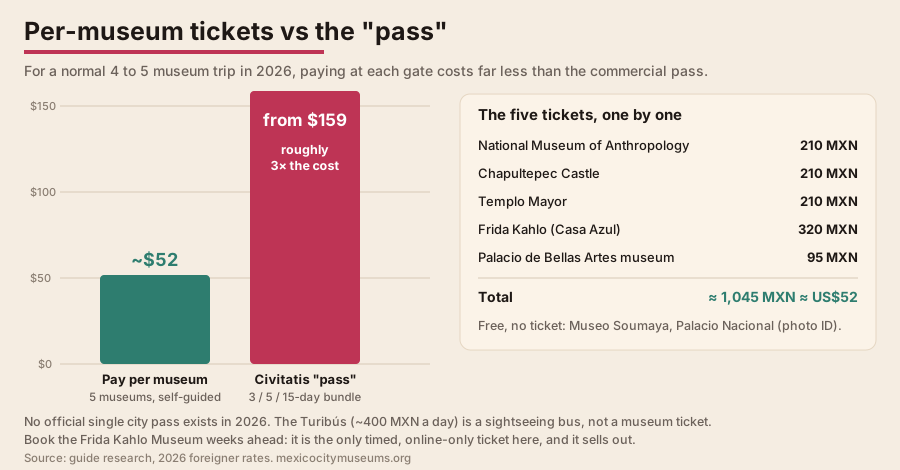
For almost everyone, paying per museum wins. A four-museum trip, the Anthropology Museum, the castle, Templo Mayor and Frida, totals roughly 950 MXN, about US$48, and adding the Bellas Artes museum brings it to around US$52. That is well under the ~US$159 pass. Only a visitor cramming many paid attractions and the bus into a few days comes out ahead with a bundle.
Run the numbers and the case closes itself. The three INAH museums at 210 MXN each come to 630 MXN, the Frida ticket adds 320, and the Bellas Artes museum another 95, for about 1,045 MXN, close to US$52 at typical rates. Throw in a couple of free museums like Soumaya and the Palacio Nacional murals, which cost nothing, and a rich five-or-six-museum trip still lands nowhere near the pass price. The pass only pulls ahead if you would also pay for the hop-on bus, several guided tours and a stack of paid attractions inside a tight three-to-five-day window.
So the decision rule is short. If your trip is museum-led and paced over several days, buy per museum and skip the pass. If it is a fast, attraction-heavy blitz that includes the bus and tours, price the bundle against your specific list. Either way, book the Frida ticket the day your dates firm up, because that is the one purchase that fails if you leave it late. For the ranked case on which museums are worth your limited time, our honest shortlist of the best museums is the companion to this ticketing math.
For balance, here is the case where a bundle can win. A visitor with two packed days who rides the hop-on bus, takes a guided Teotihuacan trip and a Centro walking tour, and pays into five or six ticketed attractions on top can watch the individual total climb toward the pass price, at which point the single code and the small discount start to look sensible. That is a real itinerary, just not a museum-led one, and it is the exception that proves the per-museum rule for everyone else.
| Sample trip | Per-museum total | Versus the pass |
|---|---|---|
| 4 museums (Anthropology, castle, Templo Mayor, Frida) | ~950 MXN (~US$48) | Far below ~US$159 |
| Add Palacio de Bellas Artes museum | ~1,045 MXN (~US$52) | Still far below the pass |
| Add free Soumaya and Palacio Nacional | No extra cost | Pass adds nothing here |
The whole ticketing picture comes down to two moves. Buy the Frida Kahlo ticket weeks ahead because it is the only one that sells out, and buy everything else at the gate, online or not at all, because so much of it is cheap or free. Ignore the passes unless your specific list of paid attractions genuinely clears the bundle price, which for a museum-focused trip it rarely does.
If you take one line from this, let it be that the "Mexico City Pass" is not what it looks like. There is no official card, the private bundle suits a narrow traveler, and the plain approach of paying modest admissions as you go is cheaper and simpler for nearly everyone. Book Frida early, keep your dates off Mondays, and the rest of the ticketing takes care of itself.
Match The Day To Your Plans And Compare Costs
Editorial starting point. Confirm your party's age, access needs and departure details on the listing.
Frida Kahlo Blue House + Anahuacalli ticket option: Blue House and Anahuacalli ONLY when Blue House option selected; Digital guide 1 hour listed; allow additional time for Anahuacalli and transit
Mexico City, Anthropology Museum Tour Summary: private guide; museum ticket Not included: transport not stated as included 2.5 hours
Compare Your Actual Quotes
Use the same currency for both totals, including transport, admission and guide fees. This compares your quotes, not live prices.
Compare what each total includes: admission, a guide, transport and time arranging reservations.